

IPISLC's Past Conferences
IPI SLC's past conferences have included presenters whose work is highly influential in psychodynamic thought today. Please post comments about any of these conferences below.
Shelley Nathans, PhD, November 7, 2020: Oedipus Wrecks: Infidelity as Manic Defense
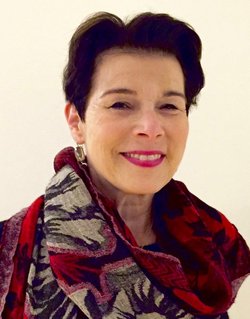 Shelley Nathans is a clinical psychologist with 35 years of experience as an individual and couple psychotherapist. She is a member of the teaching faculty at the California Pacific Medical Center in the Department of Psychiatry, The Psychoanalytic Couple Psychotherapy Group, and The Psychoanalytic Institute of Northern California. She has completed the Tavistock Center for Couple Relations Advanced Training in Psychoanalytic Psychotherapy and is on the International Advisory Board for the journal, Psychoanalytic Couple and Family Psychoanalysis. She is the director and producer of the film, Robert Wallerstein: 65 Years at the Center of Psychoanalysis. She has published in Psychoanalytic Dialogues, Couple and Family Psychoanalysis, and fort da, and she is the co-editor (with Milton Schaefer) of the book, Couples on the Couch: Psychoanalytic Couple Psychotherapy and the Tavistock Model (Routledge, 2017).
Conference Description: The paths leading to infidelity in a couple’s relationship are manifold and diverse; there is no singular cause, no simple, linear route. Using a contemporary Kleinian framework, Shelley Nathans, Ph.D. presented her ideas on the theory and technique of working with couples struggling with infidelity. Dr. Nathans presened her paper, “Infidelity as Manic Defense”, in which she describes some of the important theoretical issues relevant to understanding affairs. The main focus of this paper is on the problems that one or both of the partners in a couple may have with mourning past or impending loss, and the consequent infidelity that may result from a manic attempt to replace depression or psychic pain with excitement. A developmental orientation was used to delineate a range of psychological dilemmas that contribute to infidelity, including claustrophobic anxieties, difficulties with mourning past or impending loss, Oedipal problems and separation issues. Following the paper, Dr. Nathans gave a presentation on the technique of working with infidelity issues in psychoanalytic couple psychotherapy.
Learning Objectives:
Participants will be able to:
- Identify two aspects of the relationship between infidelity and the difficulties one or both partners in a couple may have with mourning past or impending losses.
- Describe two characteristics of the manic defense as they may be seen in incidents or patterns of infidelity.
- Identify three techniques that are helpful in working with issues related to infidelity in psychoanalytic couple psychotherapy.
Alessandra Lemma, October 20, 2020: Under the Skin: Psychoanalytic Perspectives on Body Modification
 Alessandra Lemma is a Fellow of the British Psychoanalytical Society and Consultant Clinical Psychologist at the Anna Freud National Centre for Children and Families. She is Visiting Professor, Psychoanalysis Unit, University College London. She also works privately with both adolescents and adults. For many years she worked at the Tavistock Clinic where she was, at different points, Head of Psychology and Professor of Psychological Therapies. She is the Editor of the New Library of Psychoanalysis book series (Routledge) and was one of the regional Editors for the International Journal of Psychoanalysis until 2018. She has published on psychoanalysis, the body, gender identity and sexuality and trauma. She recently returned to studying and has just completed a degree in Applied Ethics at Oxford University.
Conference Description:
The body is the most pliable medium at our disposal for communicating our internal states of mind. In this talk, Alessandra Lemma presented her ideas about how we can understand psychoanalytically what compels people to pursue a range of body modifications such as cosmetic surgery, tattoos, piercings and scarification. These ideas were illustrated with clinical material from her own practice and interviews with participants involved in reality TV shows.
Following the presentation by Professor Lemma, local IPI faculty members presented and discussed a case illustrating ideas from her writings and lecture.
Learning Objectives:
- Participants will describe three psychoanalytic constructions explaining individual motivations for body modification.
- Drawing from clinical vignettes and cases, participants will discuss the varied psychodynamic meanings and functions of body modifications.
- Participants will identify two ways that the therapist’s body enters the treatment via the transference/countertransference dynamics when body modification emerges as a therapeutic issue for understanding.
- Participants will apply these body modification hypotheses to at least one case in their clinical practice.
November 2, 2019: Therapeutic Blunders Workshop: How Did I Get Here? Where Do I Go Now?
Workshop Description:
This half-day workshop gave participants an opportunity to learn more about therapeutic blunders, the errors or enactments we can commit in everyday clinical work. The workshop began with an overview of select psychodynamic ideas that help participants think more deeply about these errors. Next, clinical case examples from three different psychotherapists provided case material to explore and make meaning of the sometimes painful reality of therapeutic blunders. The presenters also addressed how therapists can recognize, make meaning and move forward from these kinds of mistakes. Along the way, participants were encouraged to engage with the presenters and make use of their own clinical work and experience.
Learning Objectives:
- Participants will be able to give an example of a connection between a therapist's countertransference and an enactment or "blunder" in the treatment setting.
- Participants will be able to describe at least three common kinds of therapeutic "blunders" committed by therapists, and three psychodynamic principles or ideas that shed light on how such blunders may occur.
- Participants will be able to describe two ways in which a therapist can attempt to make repair for a clinical blunder.
Faculty:
Mara Callister, LCSWW received her MSW from the University of Utah in 2006 and has worked in non-profit and private settings. She is currently a psychotherapist in private practice in Bountiful, Utah. Ms Callister completed the International Psychotherapy Institute (IPI) Core Program in 2012 and is a faculty member of the IPI Salt Lake Affiliate.
Ashley Mason, CMHC is a counselor in private practice in Salt Lake City, UT and faculty member of the International Psychotherapy Institute (IPI) Salt Lake Affiliate. She earned her BA in Political Science at Emory University; obtained her post-baccalaureate degree in Psychology from Columbia University and a Master of Science in Mental Health Counseling from Westminster College. She completed IPI's Object Relations Theory and Practice Program and will begin psychoanalytic training with the International Institute for Psychoanalytic Training (IIPT) in the summer of 2020.
Audrey Rice, CMHC is the Vice President of Clinical Operations for Volunteers of America, Utah. In addition, she is a psychodynamic psychotherapist in private practice and serves as the co-chair of the International Psychotherapy Institute Salt Lake Affiliate.
James Poulton, PhD is a psychologist in private practice in Salt Lake City, Utah, an Adjunct Assistant Professor in Psychology at the University of Utah, and a member of the national faculty of the International Psychotherapy Institute (IPI), based in Washington, DC. He currently serves on the Steering Committee for IPI’s Psychoanalytic Psychotherapy Program, is the chair of its Curriculum Committee, and is the past co-director of its Salt Lake City Chapter. He has written numerous articles and chapters on psychological treatment and theory, and is the author of Object Relations and Relationality in Couple Therapy: Exploring the Middle Ground (2012) and co-author of Internalization: The Origin and Construction of Internal Reality (2001) and Suffering and Sacrifice in the Clinical Encounter (in press, 2019).
Christine Anzieu-Premmereur, MD, PhD, Feb 22, 2019: "I've got you under my skin": Psychosomatic Theory and Treatment
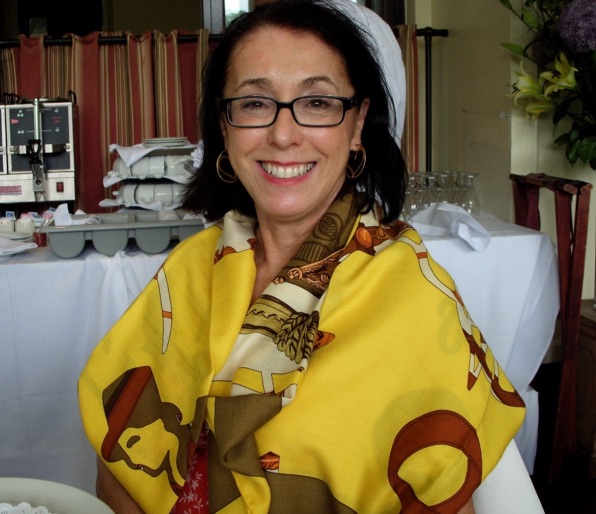 Christine Anzieu-Premmereur is a psychiatrist and psychoanalyst in New York City who works in private practice with adults and children, as well as with parents and their babies. She is on the faculty of the Columbia Psychoanalytic Center for Training and Research, where she directs the Parent-Infant Psychotherapy Training Programme and is Assistant Clinical Professor in Psychiatry at Columbia University. She is the author of numerous articles and book chapters on mother-infant interaction, the role of maternal containment, psychosomatic symptoms, and the skin-ego. In 2013 she published a book chapter entitled "The Process of Representation in Early Childhood,” and another in 2017 entitled "Attacks on Linking in Parents of Young Disturbed Children. In 2018 she co-edited, with Vaia Tsolas, a book entitled A Psychoanalytic Exploration of the Body in Today’s World.
Conference Description:
Psychosomatic symptoms can be difficult to understand and to treat since they involve reading and understanding the language of the body. Dr. Premmereur presented psychoanalytic views on psychosomatics with clinical examples of adults and children. This conference was ideal for therapists working with children as well as those who are treating adult patients with somatic symptoms or those with borderline features
Her discussion was based on concepts and theory from The Psychosomatic School of Paris which has described specific behaviors and mood issues associated with psychosomatic symptoms and illnesses. She elaborated on how the lack of imaginary representations and fantasies by the individual patient is associated with impulsivity, agitation, and “empty behavior.” She further defined and discussed the label of “blank neurosis” to stress the negative part of the symptoms where there is a poverty of interpersonal exchanges, lack of cathexis in affective relations to others, neutral tone of affects, and automatization of life. Addressing these issues requires a specific active technique of intervention.
During the second part of the conference, she added to the discussion on the role of the body, by giving an overview of the Skin Ego theory and how it is useful when working with young children and borderline adults: from a mental representation of the self as being wrapped into the skin, to the capacity to contain emotions and thoughts. The Skin Ego and evaluating its defects can assist the therapist in developing a technique appropriate to primitive emotions. Clinical vignettes illustrated those defects and the role of the therapist.
She discussed a couple of different cases, one about a young child suffering from night terrors and eczema, which led to a discussion about the quality of mental life and its consequences on the body and another case involving a somatoform disorder in an adult.
Thinking Across the Aisle: A Case Workshop, Saturday, November 3, 2018
Faculty: Mara Haight, CMHC; Robert Krause, DNP; Jim Poulton, PhD; Annette Ephroni, APRN
Annette Ephroni, APRN describing this unique learning experience:
Workshop Description:
For this workshop, IPI SLC invited experts from three diverse theoretical perspectives to discuss a single clinical case, who explored differing ways of conceptualizing the problems faced by this patient through each theoretical lens. They then considered how differing clinical interventions would follow from these divergent ways of formulating the case. Mara Haight, CMHC, Director of the Salt Lake City Rape Recovery Center, spoke from a feminist multicultural perspective. Robert Krause, DNP, lecturer from Yale Schools of Medicine and Nursing, discussed an Acceptance and Commitment Therapy approach. Jim Poulton, PhD, IPI National Faculty and former chair of IPI SLC, presented an object relations viewpoint. The case was given by Annette Ephroni, APRN.
Learning Objectives:
- Participants will describe three theoretical perspectives on a clinical case of a depressed patient.
- Participants will analyze and compare the primary themes in the case from three evidence-based perspectives, including object relations, acceptance and commitment therapy, and feminist multicultural analysis.
- Participants will list at least one psychotherapeutic intervention stemming from each of these three evidence-based models that would be applicable to this case.
Faculty:
Annette Ephroni, APRN, earned an undergraduate degree in Social and Behavioral Sciences/Women's Studies from the University of Utah and holds the degree of Master of Science in Nursing from Yale School of Nursing. She has studied at the Personality Disorders Institute at New York Presbyterian University, the Western New England Psychoanalytic Society, and with the International Psychotherapy Institute in Washington, DC. She currently serves as the co-chair of the institute's Salt Lake City Affiliate. She maintains a psychotherapy and psychopharmacology practice in Salt Lake City.
Mara Haight, CMHC (pr. she/her/hers) joined the violence prevention community as a victim advocate in 2006, and since this time she has worked in various capacities serving those affected by violence and abuse. Mara graduated from the University of Utah in 2007 with a Bachelor of Science in both Economics and Communication, and then returned to school in 2010 to pursue a Master of Science in Clinical Mental Health Counseling from Westminster College. Mara is currently the Executive Director of the Rape Recovery Center, a position she began in early 2016. Mara has been with the center since 2012, and during her time with the center she has also served as a volunteer, Intern Mental Health Therapist, Hospital Response Team Advocate, and Advocacy Coordinator. Mara is licensed as a Clinical Mental Health Counselor and specializes in healing the impact of traumatic experiences, including difficulties with early childhood. Mara became trained in Eye Movement Desensitization and Reprocessing through EMDR HAP and has been practicing EMDR since early 2013. Mara continues to practice therapy part-time at Healing Pathways Therapy Center. Additionally, she is currently the Co-Coordinator of the Utah Association for Women in Psychology and practices therapy from a trauma-informed, intersectional feminist perspective. Mara believes every individual has the ability to heal if given the right combination of empowerment, information, and support.
Robert Krause, DNP, APRN-BC (pr. he/him/his) is a lecturer jointly appointed to the Yale School of Nursing and the Department of Psychiatry at the Yale School of Medicine. Dr. Krause received the Masters of Science degree in Nursing from the Yale School of Nursing in 1998 and the Doctor of Nursing Practice from Quinnipiac School of Nursing in 2017. He has been certified in Trauma Therapy through Harvard's Global Mental Health Trauma and Recovery program and in Psychedelic Assisted Psychotherapy and Research through the California Institute of Integral Studies (CIIS). Also from CIIS he completed a training program in sex therapy and is currently in training supervision to become an AASECT certified sex therapist. Currently Dr. Krause divides his time among private practice, lecturing, and research. He is the lead therapist and co-author of the treatment manual for the Psilocybin for Treatment Resistant Depression Study at the Yale School of Medicine, a study utilizing Acceptance and Commitment Therapy as a "container" for the subject who will undergo medication-assisted psychotherapy.
James Poulton, PhD is a psychologist in private practice in Salt Lake City, Utah, an Adjunct Assistant Professor in Psychology at the University of Utah, and a member of the national faculty of the International Psychotherapy Institute (IPI), based in Washington, DC. He is currently chair of IPI's Curriculum Committee, serves on the Steering Committee for IPI’s Psychoanalytic Psychotherapy Certificate Program, and is the past co-director of its Salt Lake City Affiliate. He has written numerous articles and chapters on psychodynamic treatment and theory, and is the author of Object Relations and Relationality in Couple Therapy: Exploring the Middle Ground and co-author of Internalization: The Origin and Construction of Internal Reality. He has also co-authored two books on the history of art in the American West: LeConte Stewart: Masterworks, and Painters of Grand Teton National Park.
Eve Caligor, MD, March 2, 2018: Psychodynamic Therapy for Personality Pathology: Treating Self and Interpersonal Functioning
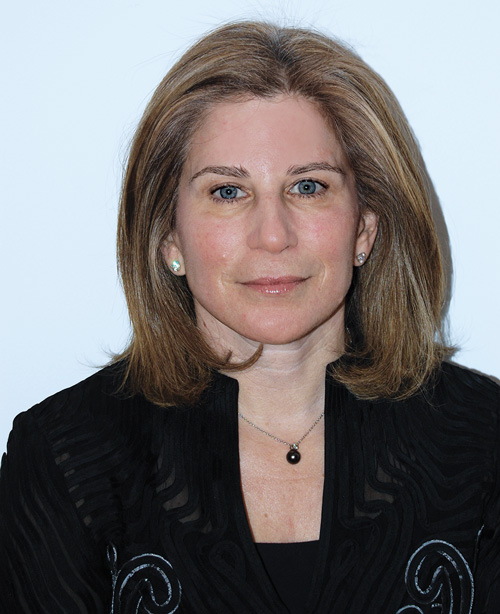 Eve Caligor M.D. is Clinical Professor of Psychiatry at the Columbia University College of Physicians and Surgeons, and Senior Associate Director for Psychotherapy Training and Research at the Columbia University Center for Psychoanalytic Training and Research, where she is appointed Training and Supervising Analyst. She also serves on the Steering Committee of the Personality Disorders Institute, Weill Cornell Medical College.
Dr. Caligor's clinical and research expertise is in the evaluation and treatment of personality pathology. She is co-author of the Structured Interview for Personality Organization (STIPO), a semi-structured interview for the evaluation of personality pathology, and was co-investigator of a pilot study evaluating the feasibility of conducting a randomized clinical trial of cognitive behavioral therapy, supportive expressive therapy and psychoanalysis. Dr. Caligor has published widely on the evaluation and psychodynamic treatment of personality pathology and is first author of the Handbook of Dynamic Psychotherapy for Higher Level Personality Pathology, and Psychodynamic Therapy for Personality Pathology: Treating Self and Interpersonal Functioning.
Recent developments in the understanding of personality disorders have emphasized: 1) the centrality of self and interpersonal functioning across personality disorders, and the distinction between symptoms versus underlying personality organization in tracking course and outcome; and 2) the severity of pathology as a predictor of course and outcome. In this conference, Dr. Caligor introduced participants to a contemporary psychodynamic, object relations approach to understanding and working with personality pathology across the spectrum of severity. Drawing from her research at Columbia University, and using examples from her clinical practice, Dr. Caligor:
- provided an overview of recent developments in the understanding and classification of personality disorders, including the Alternative Model for Personality Disorders, DSM5 Section II
- discussed the relationship between the Alternative Model for Personality Disorders and psychodynamic object relations theory
- provided an overview of a longer-term, specialized treatment approach for personality disorders that targets pathology of self and interpersonal functioning
- discussed the strategies organizing this treatment approach and the core techniques that define it
- reviewed which aspects of the treatment are responsible for behavioral and psychological change and describe the impact of the treatment on the patient's mental processes
- focused on more severe personality pathology in order to understand the mechanisms of change
- considered the implication of these findings for treatments of higher level personality pathology and discuss how techniques are modified across the spectrum of severity
Dr. Caligor demonstrated these treatment techniques by acting as a consultant for a case presentation given by a local clinician.
Damian McCann, D.Sys.Psych., October 27, 2017: Pride and Prejudice: A Psychodynamic Approach to Understanding and Working with LGBT Relationships

Damian McCann, D.Sys.Psych., is a couple psychoanalytic psychotherapist working as Head of Learning and Development at Tavistock Relationships. He is also a consultant systemic psychotherapist working in a Child and Adolescent Mental Health Service and is an Associate of Pink Therapy where he teaches on the Diploma in Relationship Therapy for Gender and Sexual Diversities. He has a particular interest in working with same-sex couples and his doctoral research was concerned with understanding the meaning and impact of violence in the couple relationships of gay men.
Historically psychodynamic and object relations theories have had limited application to the understanding and treatment of individual and relationship dynamics within the LGBTQ population. In this conference, Dr. Damian McCann (of the Tavistock Relationship Clinic in London), who has written extensively about these topics, described multiple ways in which psychodynamic theory not only applies to the LGBTQ population, but powerfully enhances the therapist’s effectiveness in working with them. Drawing from his writing and clinical work, as well as from recent clinical developments, Dr. McCann first provided an overview of psychodynamic theories and techniques that are relevant to LGBTQ patients. He then focused on particular issues within this population, including the dynamics of the parenting relationship in same sex couples, and the unique challenges that couples and families face when one member is transitioning. Dr. McCann also demonstrated the clinical application of these ideas by acting as a consultant for a case presentation given by a local clinician.
Andrea Celenza, Ph.D., November 6, 2015: Erotic Transferences: What Countertransferences Can Illuminate
 Andrea Celenza, Ph.D. is a Training and Supervising Analyst at the Boston Psychoanalytic Society and Institute, Faculty at the Massachusetts Institute for Psychoanalysis and an Assistant Clinical Professor at Harvard Medical School. Dr. Celenza has consulted with, evaluated, supervised or treated over 250 cases of therapist-patient sexual boundary transgressions. She has authored and presented numerous papers on the evaluation and treatment of therapists who have engaged in sexual misconduct with a focus on training and supervisory issues. Her book, Sexual Boundary Violations: Therapeutic, Supervisory and Academic Contexts, was published by Jason Aronson in 2007. She has recently produced an online videorecorded lecture on sexual boundary violations designed for ethics seminars, group viewing or individual use. For more information about that, go to www.andreacelenza.com. Dr. Celenza is Co-Director (with Martha Stark, MD) of a blended, online program in Psychoanalytic Psychotherapy sponsored by the Massachusetts School of Professional Psychology. She has been the recipient of several awards, including the Karl A. Menninger Memorial Award, the Felix & Helena Deutsch Prize and the Symonds Prize. She just completed a new book: Erotic Revelations: Clinical Applications and Perverse Scenarios, published by Routledge. She is in private practice in Lexington, Massachusetts.
In this conference, Dr Celenza addressed the many manifestations of erotic longing that arise in most forms of psychotherapy, including psychoanalysis. Some form of erotic transference, she asserted, of whatever shape, should make its way into every course of treatment, yet our theories have become desexualized to an extent that they fail to prepare clinicians with the necessary armamentarium to cope with the level of desire and erotic material likely to emerge. Dr. Celenza will addressed the deficiency in analytic literature and theories of technique and will encourage more open discussion about erotic transferences in all of their manifestations. In particular, she discussed the varieties and meanings of the therapist's countertransference over the course of a therapeutic process. She also discussed the range of erotic transferences from the therapist's/analyst's point of view, and how these countertransference experiences aid the therapist in understanding unconscious factors in the patient’s experience.
Johnathan Shedler, Ph.D., May 1, 2015: The Efficacy of Psychodynamic Therapy: A day of lectures and clinical workshops
;)
Jonathan Shedler, PhD, is known internationally as a psychologist, consultant, researcher, and author. His article The Efficacy of Psychodynamic Psychotherapy won worldwide acclaim for firmly establishing psychodynamic therapy as an evidence-based treatment. His research and writing are shaping contemporary views of personality patterns and disorders. He is author of the Shedler-Westen Assessment Procedure (SWAP) and numerous scholarly and scientific articles.
Dr. Shedler lectures and leads workshops for professional audiences across the globe, consults on psychological issues to U.S. and international government agencies, and provides expert clinical consultation by teleconference to mental health professionals worldwide. Dr. Shedler is a Clinical Associate Professor of Psychiatry at the University of Colorado School of Medicine and was formerly Director of Psychology at the University of Colorado Hospital Outpatient Psychiatry Department. He is also a certified professional ski instructor at Vail Ski Resort.
In his morning lecture—based on the internationally acclaimed article, The Efficacy of Psychodynamic Psychotherapy—Dr. Shedler described the seven core features of contemporary psychodynamic psychotherapy. Dr. Shedler then discussed scientific evidence for the benefits of psychodynamic treatment, and how psychodynamic treatment compares to other evidence-based treatments such as Cognitive Behavior Therapy and antidepressant medication. Dr. Shedler also described how the “active ingredients” of all effective psychotherapies draw on (often unacknowledged) psychodynamic principles, such as enhancing self-knowledge, recognizing problematic relationship patterns, and addressing problematic patterns in the “here and now” of the therapy relationship.
The rest of the day had a practical, hands-on clinical focus, with case discussion, live clinical supervision, role playing, and demonstration of clinical interventions. Dr. Shedler emphasizes clinical case formulation as a roadmap to effective treatment. Topics included case formulation and treatment planning, developing a shared treatment focus, the use of the therapy relationship as a vehicle for change, and ways of working constructively with resistance or “therapy interfering behavior.” The day concluded with a presentation on personality styles and syndromes, emphasizing how an understanding of personality brings focus to effective treatment.
Chris Kraft, Ph.D., February 6, 2015: Sexual Addictions: Diagnosis and Treatment of Hypersexual Conditions from an Integrative/Analytic Perspective
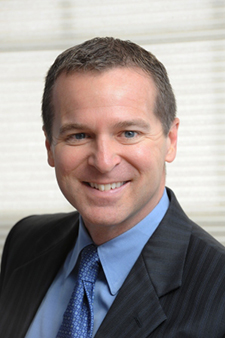
Dr. Chris Kraft is a licensed psychologist on faculty at Johns Hopkins Medical Center/University and a certified sex therapist with the American Association of Sex Educators Counselors and Therapists (http://www.aasect.org/) specially trained to work with couples and individuals who are looking to improve their happiness as it is related to their sexual intimacy, expression and identity. Dr. Kraft specializes in the evaluation and treatment of all sexual and gender conditions: low sexual desire, erection, orgasm and arousal difficulties, genital pain conditions, sexual addiction and compulsivity, internet pornography, marital infidelity, sexual orientation, cross dressing, gender concerns, and other unique fetishes and sexual attractions. Dr. Kraft is the co-director of clinical services and instructor at the Sexual Behaviors Consultation Unit in the Department of Psychiatry at the Johns Hopkins School of Medicine. Dr. Kraft is also a part-time Lecturer in the Psychological and Brain Sciences Department at the Johns Hopkins University where he teaches two human sexuality courses.
Describing and defining what is actually addictive or hypersexual behavior can be challenging to many practitioners. Both the media and the lay public are quick to label celebrities and politicians “sex addicts” when caught having affairs. An aggrieved spouse or partner will often “diagnose” the other spouse or partner as a sex addict when he or she is caught looking at internet pornography and force him/her into treatment. There is also a lot of debate in the mental health field about whether someone can actually be addicted to sex like people who become addicted to substances. In this conference, Dr. Krafte provided an overview of the various theories about hypersexual behavior, discussed assessment/diagnosis of such conditions, and described various treatment modalities including individual, relational and group therapies. In particular, Dr. Kraft considered the problematic sexual use of the internet including pornography, chatting, web cam use, and social networking. Various cases were presented to illustrate assessment, diagnosis and treatment of hypersexual conditions.
Lesa Ellis, Ph.D. April 4, 2014: Attachment, Anxiety and Addiction: Understanding the Interaction Between Neuroscience and Psychotherapy
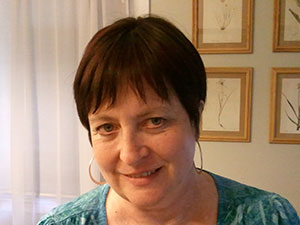 Dr. Lesa K. Ellis received her PhD from the University of Oregon in Developmental Psychology with emphasis in Cognitive and Affective Neuroscience. She currently chairs the Interdisciplinary Neuroscience Program at Westminster College, coordinates the McNair Schiolars Program for minority and first generation college students, and teaches in Cognitive Neuroscience, Behavioral Endocrinology, Brain and Behavior, Psychopharmacology, and Human Development. She has conducted research on the neural correlates of anxiety in young adults, the contribution of genes to differences in neural processing of emotional stimuli, the maturation of prefrontal areas of the brain and emotional reactivity and delinquency in adolescents, and the relationship between pubertal maturation and emotional reactivity. She has presented her research findings at many national conferences in recent years.
Many of our patients present with attachment difficulties, struggles with anxiety and emotional regulation, or some form of addiction. Findings from neuroscience offer a means of understanding how pre and postnatal environments influence genetic predispositions toward these difficulties. In this conference, Dr. Lesa Ellis, a neuroscience researcher and master teacher, explained contemporary research about brain development in clinician-friendly language. Treatment implications and controversies were discussed through the use of clinical case vignettes, presented by local clinicians.
Nancy McWilliams, December 6, 2013: Diagnosis and Its Discontents: Current Controversies and Their Relevance to the Practice of Psychotherapy
 Nancy McWilliams teaches at Rutgers University’s Graduate School of Applied & Professional Psychology and has a private practice in Flemington, NJ. She is author of Psychoanalytic Diagnosis: Understanding Personality Structure in the Clinical Process (1994; rev. ed. 2011), Psychoanalytic Case Formulation (1999), and Psychoanalytic Psychotherapy: A Practitioner’s Guide (2004), all with Guilford Press, and was Associate Editor of the Psychodynamic Diagnostic Manual (2006). She is a former president of the Division of Psychoanalysis (39) of the American Psychological Association, and is on the editorial board ofPsychoanalytic Psychology. Dr. McWilliams’s books have been translated into fifteen languages, and she has lectured widely both nationally and internationally. Her book on case formulation received the Gradiva Award for best psychoanalytic clinical book of 1999; her 2011 revision of Psychoanalytic Diagnosis received the Goethe Scholarship Award from the Canadian Psychological Association’s Section on Psychoanalytic and Psychodynamic Psychology.
Therapists need concepts by which to understand our clients’ suffering; thus, we all think diagnostically to some degree. In the view of many clinicians, however, the ascendance of the American Psychiatric Association’s DSM to the status of “bible” of psychopathology has had disturbing unintended consequences and has recently inspired an international backlash. The flaws of the DSM are particularly glaring in the context of efforts to do focused therapy with people coping with both developmental issues and specific social contexts; they are also notably apparent in the area of understanding personality and its clinical implications. In this conference, Dr. McWilliams noted current controversies about DSM-5 and described other efforts to make diagnosis more clinically meaningful to real-life therapeutic challenges.
Jill Scharff, April 5, 2013: Dreams, Culture, and the Interpersonal Unconscious
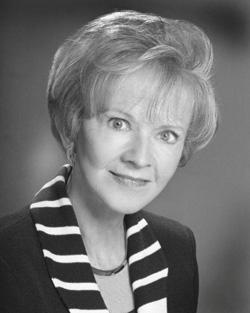 Jill Savege Scharff, MD
Jill Savege Scharff, M.D. is the Co-founder of the International Psychotherapy Institute, Board Member of the International Psychotherapy Institute, Supervising Analyst at the International Institute for Psychoanalytic Training, Clinical Professor of Psychiatry at Georgetown University, and a psychoanalyst and psychotherapist with individuals, couples and families in Chevy Chase, Maryland. She is the author, co-author or editor of over 15 books and numerous articles on object relations theory and practice. Her most recent book is The Interpersonal Unconscious, co-authored with David E. Scharff, a volume that examines the expression of the unconscious in interpersonal interaction. Dr. Scharff is a gifted presenter and clinician with the ability to bring difficult theoretical concepts to life through vivid clinical examples.
In this conference, Dr. Scharff presented the concept of the interpersonal unconscious with examples drawn from psychotherapy with individuals and couples from various cultures in the United States, Asia, and South America. The interpersonal unconscious is built primarily from the theory of object relations (UK), Link Theory (South America), social unconscious (UK), and unconscious fantasy in child development. Understanding the impact of social and cultural issues helps us to understand the pressures and constraints on a family, the influences of a family on individual development, and the dynamics occurring when two individuals marry and have a family.
Christopher Clulow, October 5, 2012: Sex, Attachment and Couple Therapy
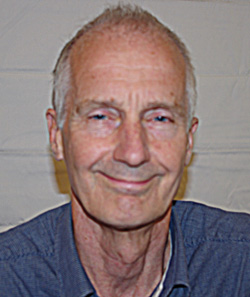 Christopher Clulow, PhD
Christopher Clulow PhD is a Senior Fellow of the Tavistock Centre for Couple Relationships, London, where he practices as a visiting lecturer and researcher. He has published extensively on marriage, partnerships, parenthood and couple psychotherapy, most recently from an attachment perspective. His most recent edited publication, Sex, Attachment and Couple Psychotherapy. Psychoanalytic Perspectives, was published by Karnac Books in 2009. He is a founding member of the British Society of Couple Psychotherapists and Counsellors, an international editorial consultant for Sexual and Relationship Therapy, and a member of the editorial board for Couple and Family Psychoanalysis. He is a Fellow of the Centre for Social Policy, Dartington, a registrant of the British Psychoanalytic Council and External Examiner to the Bowlby Centre in London.
In this conference, Dr. Clulow reviewed the work of John Bowlby, psychoanalyst and child psychiatrist, who rewrote our understanding of how relationships develop. Stepping outside the psychoanalytic circle, Bowlby combined the observational values of Darwin with the scientific aspirations of Freud to fashion a theory that made him an outcast in his professional family, a thorn in the side of policy makers and an enemy of emerging feminists. Two decades after his death his ideas can still make waves, but instead of battering against entrenched defences they have, like a tidal bore, generated phenomenal energy that has driven research into developmental psychology, cross-fertilization of ideas between different disciplines and a growing excitement in the therapeutic community.
Dr. Clulow provided conference participant an opportunity to become reacquainted with attachment theory, considering how applications of and developments since Bowlby’s original formulation can inform our understanding of troubled couple relationships. In particular he focused on the relationship between sex and attachment in understanding and working with loss of sexual desire and the enactment of sexual fantasy.
Otto Kernberg, M.D., March 16-18, 2012
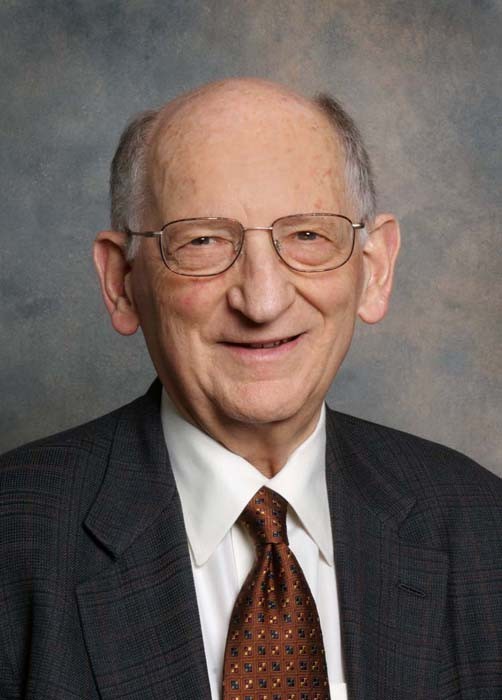 Otto Kernberg, M.D.Dr. Otto Kernberg, MD, FAPA, is Director of the Personality Disorders Institute at The NewYork-Presbyterian Hospital, Westchester Division and Professor of Psychiatry at the Weill Cornell Medical College. He is Past-President of the International Psychoanalytic Association, and is a Training and Supervising Analyst of the Columbia University Center for Psychoanalytic Training and Research. In the past, Dr. Kernberg served as Director of the C.F. Menninger Memorial Hospital, Supervising and Training Analyst of the Topeka Institute for Psychoanalysis, and Director of the Psychotherapy Research Project of the Menninger Foundation. Later, he was Director of the General Clinical Service of the New York State Psychiatric Institute, and Professor of Clinical Psychiatry at the College of Physicians and Surgeons of Columbia University. From 1976 to 1995 he was Associate Chairman and Medical Director of The New York Hospital Cornell Medical Center, Westchester Division. Dr. Kernberg was the Book Editor of the Journal of the American Psychoanalytic Association from 1977-1993. He has received numerous awards for his excellence in Psychiatry, and is the author of 12 books and co-author of 11 others.
In this weekend conference, Dr. Kernberg guided the audience in the study of several aspects of analytic thinking, including his views on narcissism and suicide and his critique of modern theories of relational psychoanalysis and of recent reinterpretations of Bion’s thought. Dr. Kernberg also reported on Transference Focused Psychotherapy, a highly structured, twice-weekly psychodynamic treatment based on Kernberg’s object relations model of borderline personality disorder.
Michael Stadter, Ph.D., September 23, 2011
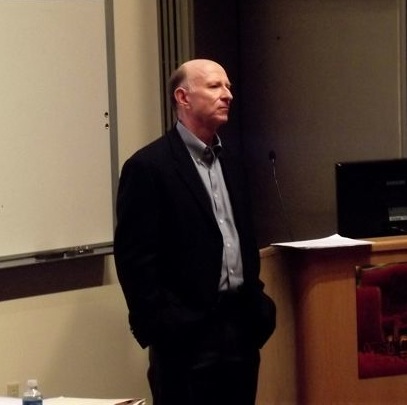 Michael Stadter, Ph.D.
Dr. Michael Stadter is a clinical psychologist in private practice in Bethesda. His practice includes long-term and brief psychotherapy, clinical supervision and organizational consultation. His faculty appointments currently include positions at the Washington School of Psychiatry and at the International Psychotherapy Institute. He also serves on the International Advisory Board for the journal Psychodynamic Practice and is a reviewer for the journal Psychiatry. Formerly at American University, he was Director of the University Counseling Center and Psychologist-in-Residence in the Department of Psychology. Dr. Stadter is the author of a number of publications including the book, Object Relations Brief Therapy: The Therapeutic Relationship In Short-Term Work (1996/2009) and is the co-editor of the book, Dimensions of Psychotherapy/Dimensions of Experience: Time, Space, Number and State of Mind (2005). His new book, Presence and the Present: Relationship and Time in Contemporary Psychodynamic Therapy, is scheduled for publication in 2012. Additionally, he has been repeatedly recognized by the Washingtonian Magazine as one of the top psychotherapists in the Washington, DC area and is often invited to teach both nationally and internationally.
In this conference, Dr. Stadter discussed the shaming and ashamed inner worlds and dialogues of both patients and therapists and described the various ways these are manifested in therapy. In doing so, he explored the physiology, development, regulation and subjectivity of shame, the psychodynamic conceptualization of shame, the varieties of shame and the types of shaming/ashamed dynamics, differences between shame and guilt, and the concept of interpersonal traumatization.
Relying on two central premises – that the awareness and management of shaming/ashamed states in both therapist and patient are crucial for successful outcomes, and the therapeutic relationship is key to the treatment of excessive shame states – Dr. Stadter described how the various conceptualizations of shame can be used to formulate effective clinical interventions. Through numerous clinical examples and an extended case presentation by Audrey Rice, LPC (Division Director of Treatment Services for Volunteers of America, Utah), he illustrated the role of shame in transference and countertransference, the influence of culture in shame-related disorders, the possibilities of repair, and the importance of the termination process in the effective treatment of shame. In the final segment of the day, Dr. Stadter presented 16 considerations for therapists who are working with patients with difficult shame-based presentations.
Caroline Garland, PhD, March 11, 2011
 Caroline Garland, PhD
Caroline Garland is a Fellow of the British Psychoanalytical Society, and a Consultant Clinical Psychologist who has worked in the Adult Department of the Tavistock Clinic for over 20 years. In 1987 she founded the Tavistock's Trauma Unit, which receives referrals from across the country, and whose members have recently worked with organisations traumatised by the bombings of London's public transport system on 7/7/05. Caroline Garland has written, taught and lectured both nationally and internationally on the subjects of trauma and group dynamics. This work has led to consultations with many traumatised organisations as well as in situations of conflict at home and abroad. She is currently engaged in the long-term Tavistock Outcome Study of treatment-resistant depression.
In this conference Dr. Garland explored the topical subject of trauma and its treatment through a combination of theoretical discussion and clinical examples. She began by discussing the value of the psychotherapeutic approach, which highlights the impact that the subject’s past history may have on the present traumatic event. She touched on the pitfalls for the therapist of dealing with severely traumatized patients, who often evoke the wish to provide overly sympathetic responses and “helpful” suggestions - both of which may inhibit the patient’s capacity to recover. She discussed the difficulties patients exhibit in the mental processing of trauma - difficulties which typically involve damage to the capacity to symbolize. In the place of symbolization, the risk for the traumatized individual is to resort to an identification, either with the traumatizing agent or individual or with the victim, which functions as a substitute for thought. Identification with the dead or damaged can lead to guilt about survival, leading to a chronic melancholic state (sometimes called ‘chronic PTSD') and an inability to mourn. Throughout the conference, Dr. Garland used several clinical examples to illustrate the kinds of treatment that have been found to be effective at the Trauma Unit at London’s Tavistock Clinic, while at the same time acknowledging the limits of recovery.
David Celani, PhD, December 3, 2010
David Celani is a licensed psychologist who practiced for more than twenty-five years in Burlington, Vermont. In treatment, he focused on his patients' 'attachment to bad objects,' which was manifested by their inability to separate from parents, friends, or marital partners who demeaned, criticized, or abused them. Celani now presents workshops throughout the United States on object relations theory. He is the author of numerous articles, chapters and books, including: The Illusion of Love: Why the Battered Woman Returns to Her Abuser (1996), Leaving Home: The Art of Separating from Your Difficult Family (2005), and Fairbairn's Object Relations Theory in the Clinical Setting (2010).
In this conference (Understanding the Mind of the Borderline Patient: Contributions of Fairbairn's Object Relations Theory), Dr. Celani reviewed the emergence of Object Relations Theory from classical psychoanalysis, and summarized five of Faribairn's foundational papers that outlined his model. Fairbairn's structural theory was described in detail as well as its application to the treatment of the borderline patient. Emphasis throughout Dr. Celani's presentation was on the process of integrating dissociated and intolerable memories, held in the patient's unconscious structures, into their central ego.
Couple, Child and Family Therapy Institute: How Did We Get Here and What Do I Do Now? Untangling Transference and Countertransference Dilemmas in Child, Couple & Family Treatment - July 12-17, 2010
Chair: Janine Wanlass, Ph.D.
Untangling, understanding, and making therapeutic use of transference and countertransference resonses in the treatment of children, couple, and families presents a challenge to even the most experienced clinicians. Object relations theory provides a framework for making sense of these often frustrating and confusing therapeutic entanglements. Grounded in theory and explored through clinical case vignettes, this IPI Summer Institute offered a series of experience-near presentations for clinicians working with children, adolescents, couples, and families. Participants were able to select presentations focused on their population of interest and joined IPI national faculty for an entire week of engaging clinical discussion.
Family, Couple and Child Psychotherapy Weekend Conference: Shifting Internal Objects: The Use of Couple and Family Treatment in the Development of the Self, March 12-14, 2010
The internal worlds of both therapists and patients are constructed by early family experiences, including representations of couple and sibling relationships. These object constellations dramaticallly influence our interactions with peers, choice of intimate partnerships, and formation of personal identity. Couple, child and family treatments provide a unique opportunity to shift problematic individual and systemic object relations, through examination of shared transferences, identifications, collusive defenses, intergenerational repetitions, and unconscious fantasies. Join us for a weekend where we discuss the value, theory, and craft of child, family, and couple treatments and their potential impact on the development and repair of the self.
Richard Billow, PhD, January 22, 2010
Richard M, Billow, PhD, ABPP, is a clinical psychologist, psychoanalyst, and an active contributor to the psychoanalytic and group literature. He has been associated with the Gordon Derner Institute of Advanced Psychological Studies, Adelphi University, New York, since 1968, where he achieved doctorate and postdoctoral certificates in psychoanalysis, and individual and group psychotherapy. He is Clinical Professor and Director of the institute’s Postdoctoral Program in Group Psychotherapy, and practices in Great Neck, New York. He is the author of Relational Group Psychotherapy: From Basic Assumptions to Passion, and Resistance (2003, Jessica Kingsley Press), and the forthcoming Rebellion and Refusal in Group: The 3 R’s (2010, Karnac Books).
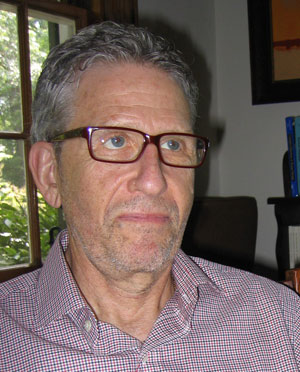 Richard Billow, PhD
Contemporary therapists tend to avoid conducting group psychotherapy, for a variety of reasons: it’s too much work, they can’t find the time, they don’t know how to do it. In this conference, Dr. Richard Billow, a world-renowned expert in psychodynamic approaches to group therapy, will describe the merits of group work - both in terms of its value for the practitioner, and its capacity to enhance treatment effectiveness for the patient. Dr. Billow will first discuss basic approaches to group therapy, from Bion’s theories through current relational views. He will then illustrate concepts and techniques using the ‘fishbowl’ technique, in which he conducts a group session with volunteers, while the rest of the audience observes. To facilitate participants’ learning of both the theory and the practice of group therapy, their engagement in, and active discussion of the group process will be encouraged.
Mark Epstein, PhD, September 18, 2009
Mark Epstein, M.D. is a psychiatrist in private practice in New York City and the author of a number of books about the interface of Buddhism and psychotherapy, including Thoughts without a Thinker, Going to Pieces without Falling Apart, and Open to Desire. A new work, Psychotherapy without the Self, published by Yale University Press, is now available in paperback and a revised version of his Going on Being is just out from Wisdom. He received his undergraduate and medical degrees from Harvard University and is currently Clinical Assistant Professor in the Postdoctoral Program in Psychotherapy and Psychoanalysis at New York University.
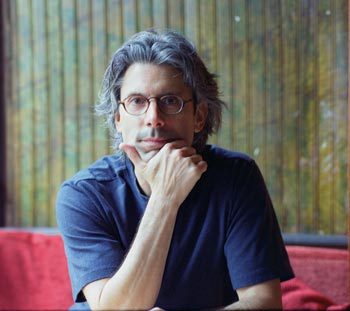 Mark Epstein, M.D.
Before the Buddha became the Buddha he underwent a six-year self-analysis. While it is not often emphasized, a careful reading of the historical record suggests that the Buddha was struggling, in this analysis, to come to terms with early loss. Important parallels exist between the Buddha’s struggles and those described by D.W. Winnicott in his most important paper, “The Use of an Object and Relating through Identifications” (1969), in which he charted the path from object relating to object usage, from self-centeredness to a capacity for concern. This progression is one that Winnicott felt a therapist could facilitate for a patient whose own parenting was not ‘good-enough.’ In the Buddha’s case, he had to find his own path, and his own technique, creating favorable conditions for a psychic transformation that went beyond the conceptual standard of the day. An examination of the Buddha’s self-analysis reveals the underlying mechanism of therapeutic action in meditation, an action that is understandable in psychodynamic terms and of potential benefit to all still wrestling with the infantile residue. In this presentation Dr. Epstein described the Buddha’s self-analysis and presented the method of mindfulness, or bare attention, that he found to be the key agent of mental transformation. The relevance of the Buddha’s findings to contemporary psychotherapy was emphasized.
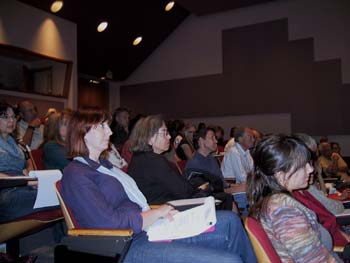 Audience at the Epstein conference.
Judith Mitrani, PhD, April 17, 2009
Judith L. Mitrani, Ph.D. is a Training and Supervising Analyst at The Psychoanalytic Center of California and The Newport Psychoanalytic Institute. A full active member of the International Psycho-Analytical Association, Dr. Mitrani has published numerous papers in the area of primitive mental states in both international and American journals, and her work has been translated in six languages. She is the author of the books Framework for the Imaginary: Clinical Explorations in Primitive States of Being (1996) and Ordinary People and Extra-Ordinary Protections: a post-Kleinian Approach to the Treatment of Primitive Mental States (2001) and is also co-editor -- with her analyst/husband Dr. Theodore Mitrani -- of the book Encounters with Autistic States: A Memorial Tribute to Frances Tustin (1997) and the upcoming book Frances Tustin Today. Dr. Mitrani is also the founding and current Chair of the Frances Tustin Memorial Trust <http://www.frances-tustin-autism.org>. She supervises and lectures internationally – in Europe, Asia, the Middle East and the Americas -- on topics related to the treatment of autistic states in adults and the technique with the infantile transference. Her clinical and theoretical perspectives derive predominantly from the work of Melanie Klein, Wilfred Bion, Donald Winnicott and of course Frances Tustin's work on autistic states. She is in private practice with adults in Los Angeles, California.
In the 1980s and 90s, Frances Tustin described psychogenic autism as 'a treaction to an infantile trauma associated with unbearably painful awareness of bodily separatedness from the suckling mother,' and went on to recognize that some of our more neurotic adult patients are 'haunted by these same primeval forces.' In this conference, Dr. Judith Mitrani offered her extension of Tustin's ideas to her own work with adults. Using extensive clinical material, Dr. Mitrani described the implications of Tustin's work for conceptualizing and treating adult patients who present with autistic and other primitive states of being, and focused in particular on how enactments in psychotherapy arise from such states.
Nancy McWilliams, PhD, September 26, 2008
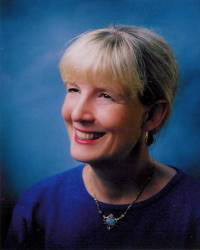 Nancy McWilliams
Nancy McWilliams teaches at Rutgers University’s Graduate School of Applied & Professional Psychology and has a private practice in Flemington, NJ. She is author of Psychoanalytic Diagnosis: Understanding Personality Structure in the Clinical Process (1994), Psychoanalytic Case Formulation (1999), and Psychoanalytic Psychotherapy: A Practitioner’s Guide (2004), all with Guilford Press, and is Associate Editor of the Psychodynamic Diagnostic Manual (2006). She is President of the Division of Psychoanalysis (39) of the American Psychological Association, and on the editorial boards of Psychoanalytic Psychology and the Psychoanalytic Review.
Dr. McWilliams has written on personality structure and personality disorders, diagnosis, sex and gender, trauma, intensive psychotherapy, and contemporary challenges to the humanistic tradition in psychotherapy. Her books have been translated into twelve languages, and she has lectured widely both nationally and internationally. Her book on case formulation received the Gradiva Award for best psychoanalytic clinical book of 1999; in 2004 she was given the Rosalee Weiss Award for contributions to practice by the Division of Independent Practitioners of the American Psychological Association; in 2006 she was made an Honorary Member of the American Psychoanalytic Association, and in 2007 she was awarded the Robert S. Wallerstein Visiting Lectureship in Psychotherapy and Psychoanalysis. A graduate of the National Psychological Association for Psychoanalysis, she is also affiliated with the Center for Psychoanalysis and Psychotherapy of New Jersey and the National Training Program of the National Institute for the Psychotherapies in New York City.
Dr. McWilliams conference focused on clients with narcissistic, psychopathic, and paranoid psychologies. Despite powerful evidence that individual personality factors account for the preponderance of variance in treatment outcome, and despite recent empirical work on attachment patterns and their implications for therapy, there has been little systematic attention in the clinical literature to how to develop an effective therapeutic relationship with people in whom attachment is associated with shame, weakness, and humiliation. Dr. McWilliams explored the inner experience of individuals with these dynamics and reviewed the therapeutic implications of their specific subjectivities. Drawing on both clinical and empirical literatures, she emphasized how effective work with these difficult clients differs from treatments in which the practitioner can assume more secure attachment patterns.
Randy Paulsen, M.D., and Sally Bowie, LICSW, Feb. 29 - Mar. 2, 2008
Randall Paulsen is the current President of the Boston Psychoanalytic Society and Institute, and is a psychoanalyst in private practice in Boston, Massachusetts. Sally I. Bowie, LICSW, has been the Director of The Rape Crisis Intervention Program at Beth Israel Hospital and is currently in private practice in Boston and is on the faculty of The Psychanalytic Couple and Family Institute of New England.
This case discussion group focused on individual psychoanalysis, psychoanalytic psychotherapy and couple therapy. Eight clinicians from Salt Lake City presented case material to each other over the 2-1/2 days of seminars. Cases were both of individual or couple therapy. With each case, participants deepened their understanding of the therapeutic relationship in each treatment.
 Case Discussion Group, back row, left to right: Robert Barth, Merritt Stites, Linda Price, Margo Miles, Janine Wanlass, Sally Bowie. Front fow, left to right: Penny Jameson, Jim Poulton, Randy Paulsen, Karl Seashore.
Richard Zeitner, Ph.D., December 7, 2007
Richard M. Zeitner completed his Ph.D. in clinical psychology at Brigham Young University, and a clinical internship at Walter Reed Army Medical Center in Washington, D.C. After a four year stint in the Army he completed a post-doctoral training program in marital and family therapy at the Menninger Foundation in Topeka, Kansas, followed by a post-doctoral training program in psychodiagnostics, also at the Menninger Clinic, and finally entered the Topeka Institute for Psychoanalysis where he graduated in adult psychoanalysis. He has his ABPP in clinical psychology, is certified in adult psychoanalysis by the Board of Professional Standards of the American Psychoanalytic Association, and is currently a Training and Supervising Analyst at the Greater Kansas City Psychoanalytic Institute, where he is also in private practice. He has a number of publications and is currently authoring a book.
In this conference, Dr. Zeitner presented a fascinating case of a young woman patient who presented for treatment with apparent problems of anxiety and depression. Within the analysis, though, she developed a particular form of erotized transference, but which became manifested in a sadistic way, that is, with the intention of torturing the analyst, while also giving rise to her own masochistic wishes. Dr. Zeitner's presentation demonstrated how the analyst contributes to the development of intense transference-countertransference perverse enactments, and how these can be worked with toward an eventual resolution.
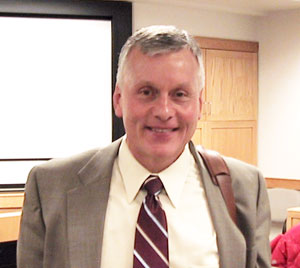 Richard Zeitner, Ph.D.
David Scharff, October 13, 2007
David Scharff, M.D. is the co-founder and co-director of IPI in Washington DC, and is one of the most internationally recognized figures in psychoanalysis today. He is the author/editor of 15 books, including Object Relations Couple Therapy, Object Relations Family Therapy, The Sexual Relationship, The Freud Century, and Refinding The Object And Reclaiming The Self.
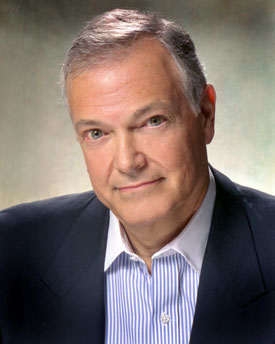 David Scharff, MD
In this conference, David Scharff, a world-renowned psychoanalyst and expert in sex therapy, presented both theoretical and rich clinical material to describe the strategies with which therapists can help their patients manage sexual problems in their partnerships.
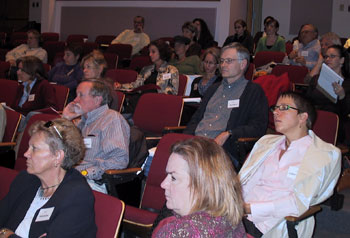 Sexuality and the Couple Conference Participants
Theodore Jacobs, April 13, 2007
Ted Jacobs’ influential work is widely followed by psychotherapists around the world. He is a psychoanalyst in private practice in New York City, a Clinical Professor of Psychiatry at the Albert Einstein College of Medicine, Training and Supervising Analyst at the New York and New York University Psychoanalytic Institutes, and Former President of the Association for Child Psychoanalysis. He is the author of The Use of the Self: Countertransference and Communication in the Analytic Situation and co-editor of On Beginning an Analysis. He is much beloved by audiences at IPI in DC, and his presentations are marked by warmth, humor, insight and analytic sensitivity.
Jacobs presented both a videoconference and an afternoon conference in SLC. In the videoconference, he discussed unconscious communications and covert enactments, and the roles they may play in both sabotaging and facilitating progress in treatment. In the afternoon conference, he focused on ways in which themes from adolescence re-appear in therapy with adults. He discussed the therapist's countertransferences (continuing the theme of his morning videoconference), and the ways in which forgotten aspects of the therapist's own life may block opportunities for the patient to work through adolescent experiences.
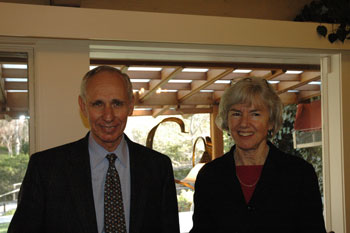 Ted Jacobs and Penny Jameson
Katherine Fraser, December 8, 2006
Katherine Fraser, DMH, is a psychoanalyst and clinical psychologist in private practice in San Francisco and Sacramento, a faculty member of the San Francisco Psychoanalytic Institute and the Department of Psychiatry at UCSF, and a Co-Chair of the Committee for New Psychoanalytic Centers of the American Psychoanalytic Association. She has lectured widely on adolescent development and identity formation.
Dr. Fraser visited Salt Lake City on December 8, 2006. In a videoconference presentation, and an afternoon conference, she discussed multiple aspects of the psychoanalytic treatment of adolescents, including: the neuropsychology of adolescent development, the application of attachment theory in the treatment of adolescents, and the relevance of traditional analytic approaches to adolescents experiencing psychological difficulties. She also presented a case in substantial depth.
Christopher Bollas, September 15-16, 2006
An eminent analyst in private practice in London and a member of the British Psychoanalytic Society, Christopher Bollas is the author of ground-breaking works that have expanded our grasp of the subtle movements of the unconscious, creativity, dreaming and the forces of destruction. His work includes The Shadow of the Object (1987), Forces of Destiny (1989), Being a Character: Psychoanalysis and Self Experience (1992), Cracking Up: The Work of Unconscious Experience (1995), The Mystery of Things (1999), Hysteria (2000), Free Association (2002), and the analytically-informed novellas Dark at the End of the Tunnel (2004), I have Heard the Mermaids Singing (2005), and Mayhem (2006).
Bollas' visit to Salt Lake City was a unique experience for all who participated. His warmth, depth of vision, and breadth of knowledge conveyed psychoanalytic thinking and practice at its best. While he was here, Bollas participated in three events:
A videoconference, in which Bollas discussed forms of depression and the importance of analytic thinking for comprehending today's world.
An afternoon conference in which Bollas discussed free association as a fundamental goal of psychoanalysis.
 Kit Bollas and Colleen Sandor
An intimate half-day case consultation, in which of participants presented their own cases to Bollas for supervision and consultation.
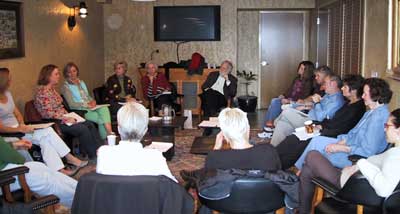 Bollas and case consultation participants
 Post a Comment